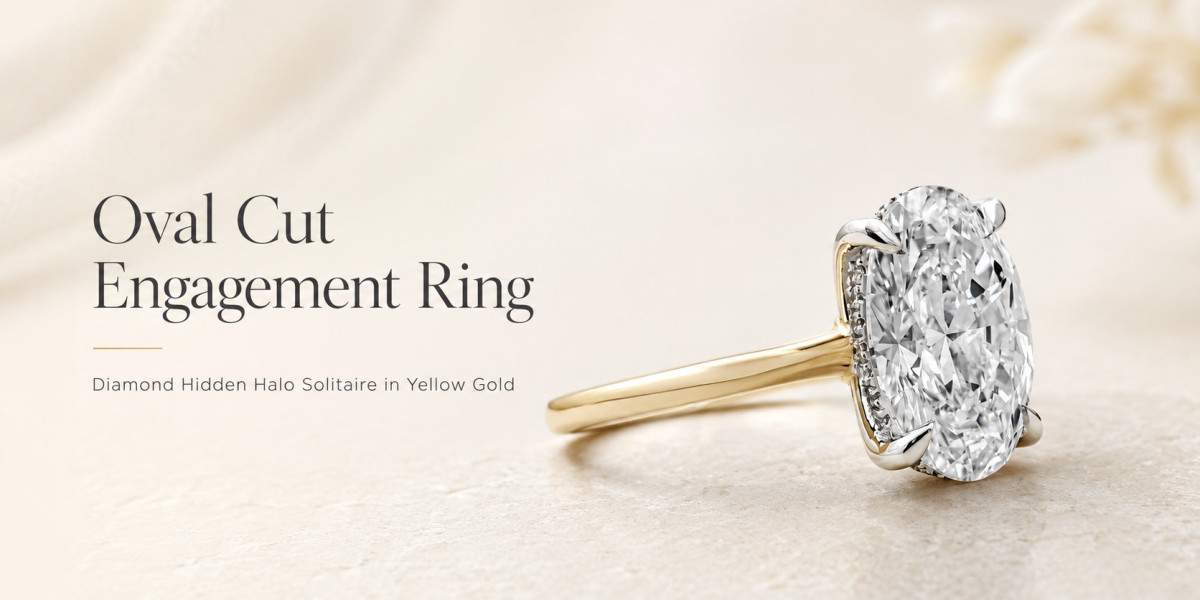
An old mine cut lab diamond ring brings together the character of an antique diamond style with the consistency of a lab-grown stone. For people who enjoy jewelry with a distinctive past-inspired appearance but want a newly created diamond, this cut offers an interesting choice. Its slightly uneven outline, broad facets, and rounded shape give it a look that is noticeably different from the precise shapes commonly seen in contemporary engagement rings.
Old mine cuts were developed before diamond cutting became highly standardized. Many were shaped and polished by hand, which meant no two stones looked exactly alike. Lab-grown diamonds can now be cut in this antique-inspired style, allowing shoppers to enjoy those visual characteristics in a newly produced diamond.
What Is an Old Mine Cut Diamond?
An old mine cut is an antique diamond shape that became popular during the Georgian and Victorian periods. These diamonds usually have a squarish or cushion-like outline with gently rounded corners. They were cut with relatively large facets and a high crown, creating a distinctive pattern when viewed from above.
Unlike today's precision-focused diamond cuts, old mine cuts were shaped according to the tools and techniques available at the time. Small variations in symmetry were common. The culet, or bottom point of the diamond, was also often larger and easier to see through the center of the stone.
These details are part of what makes an old mine cut diamond ring appealing to collectors and shoppers who prefer jewelry that does not look overly uniform.
Why Choose an Old Mine Cut Lab Diamond Ring?
A lab-grown diamond is created in a controlled environment using technology that replicates the conditions under which diamonds form naturally. Once grown, it has the same basic chemical composition and crystal structure as a mined diamond.
Choosing an old mine cut for a lab-grown stone gives buyers another way to personalize their ring. Instead of selecting a standard round or cushion shape, they can choose a cut inspired by antique jewelry.
The result is a ring with an old-fashioned visual character while using a newly produced diamond. This combination can be particularly attractive to someone who likes antique jewelry designs but prefers to purchase a new piece.
The Distinctive Shape of an Old Mine Cut
One of the easiest ways to recognize an old mine cut is its outline. Rather than having the exact proportions associated with a modern round brilliant, the stone often has a soft cushion shape.
The corners may be slightly rounded, and the sides can have subtle variations. These differences can make the diamond appear more personal and individual.
The large facets are another important feature. Because the facets are broader, the stone can show noticeable flashes of light as it moves. The visual effect depends on the diamond's proportions, cut quality, polish, and lighting conditions.
For buyers who like the character of antique jewelry, these details can make an old mine brilliant cut diamond ring an appealing option.
How Does It Compare With a Traditional Brilliant Cut?
A traditional round brilliant diamond is designed around a highly standardized pattern. Its proportions and facet arrangement are carefully calculated to produce a particular balance of brightness and light return.
An old mine cut follows a different philosophy. It is influenced by historical cutting methods, so the shape tends to feel softer and less uniform.
This does not mean one style is better than the other. They simply offer different visual experiences.
Someone shopping for an antique-inspired engagement ring may prefer the broader facets and rounded outline of an old mine cut. Another person may want the precise symmetry of a round brilliant. The right choice depends on personal taste, setting style, and the overall appearance desired.
The Appeal of an Old Mine Cut Bezel Ring
The setting can change the character of any diamond, and a bezel setting works especially well with antique-inspired stones. In an old mine cut bezel ring, a metal rim surrounds the outer edge of the diamond.
This style can provide a clean frame around the stone while giving the ring a secure appearance. It also highlights the shape of the diamond instead of relying on numerous surrounding details.
A bezel setting can be a practical option for people who prefer a ring with fewer exposed edges. However, the exact protection and suitability will depend on the design and how the ring is worn.
Gold and platinum can both complement an old mine cut. Yellow gold can emphasize the warm, antique-inspired character of the design, while white metals can create a sharper contrast around the diamond.
Buying an Old Mine Cut Diamond Ring
When looking for an old mine cut diamond ring for sale, shoppers should look beyond the carat weight. Two diamonds with similar measurements can have very different appearances because of differences in proportions, facet arrangement, color, clarity, and polish.
Ask for clear photographs or videos of the actual stone whenever possible. This makes it easier to understand the diamond's shape and see how the facets interact with light.
The certificate or grading report should also be reviewed when one is available. Pay attention to the diamond's measurements, color, clarity, and other grading details rather than relying only on the listed carat weight.
If you're planning to buy old mine cut lab diamond ring jewelry, compare several stones before making a decision. Looking at different examples can help you identify the shape, facet pattern, and proportions you prefer.
Understanding Old Miners Cut Diamond Rings
The terms "old mine cut" and "old miners cut" are often used when discussing antique-inspired diamonds. You may also see searches for old miners cut diamond rings or an old miners cut diamond ring.
Historically, these stones were produced with cutting methods that were much less standardized than those used today. Their hand-finished appearance is one reason antique diamond jewelry remains interesting to collectors.
It is important to remember that terminology can vary between sellers. A ring described as an old mine cut may have different proportions from another ring carrying the same description. Looking at the actual diamond and its measurements is therefore more useful than relying on the name alone.
What Makes Lab-Grown Diamonds Different?
Lab-grown diamonds offer an alternative to diamonds obtained through traditional mining. They are created using laboratory processes such as chemical vapor deposition or high-pressure, high-temperature methods.
Once produced, lab-grown diamonds can be cut into many shapes, including antique-inspired designs. This means a shopper does not have to choose between a historical-looking cut and a newly created diamond.
For someone who wants a ring inspired by antique jewelry, this can make lab-grown diamonds worth considering. The stone can have the shape and proportions associated with an old mine cut while being part of a newly made piece of jewelry.
Choosing the Right Setting
An old mine cut can work with several ring designs. A simple solitaire places most of the attention on the center stone. A halo can make the center diamond appear larger while adding additional stones around it. A three-stone design can create a balanced look with the old mine cut as the main feature.
For a more understated design, a plain band can be enough. For a stronger antique influence, milgrain edges, engraved details, or vintage-style shoulders can complement the center stone.
The metal should also be considered carefully. Yellow gold often suits the warm character associated with antique jewelry, while platinum and white gold offer a cooler appearance.
A brand such as Antiquecut may also be worth exploring for shoppers specifically interested in antique-inspired diamond jewelry and old mine cut designs.
Are Old Mine Cut Diamonds Good for Engagement Rings?
Yes, an old mine cut can be an excellent choice for an engagement ring if its distinctive appearance matches your taste.
The key is to choose a stone based on its individual qualities rather than expecting every old mine cut to look the same. Because these cuts can vary in shape and proportions, one stone may have a noticeably different appearance from another.
Consider how the diamond looks from different angles, how its outline fits the setting, and whether the facet pattern appeals to you.
It is also worth considering your lifestyle. A ring worn every day should have a setting that suits your routine and protects the diamond appropriately.
Why Old Mine Cut Diamond Rings Continue to Attract Buyers
The appeal of old mine cut diamond rings comes from their individuality. Their rounded shapes, broad facets, and antique-inspired proportions give them a different identity from highly standardized diamond cuts.
For shoppers who want a ring that feels personal, this can be an important advantage. A lab-grown stone adds another layer of choice, allowing buyers to select a newly produced diamond in a cut associated with historical jewelry.
Whether you prefer a solitaire, bezel, halo, or detailed vintage-style setting, the old mine cut can adapt to different designs.
Final Thoughts
An old mine cut lab diamond ring stands out because it combines two different ideas: an antique-inspired diamond cut and a lab-grown diamond created in the present day. Its rounded outline, larger facets, and individual proportions give it a recognizable appearance that differs from standardized diamond shapes.
When shopping, pay close attention to the actual stone rather than the name alone. Review its measurements, grading information, photographs, and setting. Most importantly, choose a diamond whose shape and facet pattern you genuinely enjoy looking at.
For anyone drawn to antique jewelry but interested in a newly produced diamond, the old mine cut offers a distinctive route. It has the character of an earlier cutting tradition while leaving plenty of room for personal choices in the stone, metal, and ring design.