
A logo may look sharp on your website but become blurry when enlarged for a banner, sign, or large piece of apparel. This is a common problem with low-resolution raster images.
That is where Reliable Vector Art Conversion Services can help. They transform pixel-based artwork into clean, scalable vector graphics that can be resized without losing sharpness.
Whether you need artwork for printing, embroidery, packaging, signage, apparel, or branding, a properly converted vector file gives you more flexibility and better control.
What Are Reliable Vector Art Conversion Services?
Reliable Vector Art Conversion Services involve recreating or converting raster artwork into vector graphics.
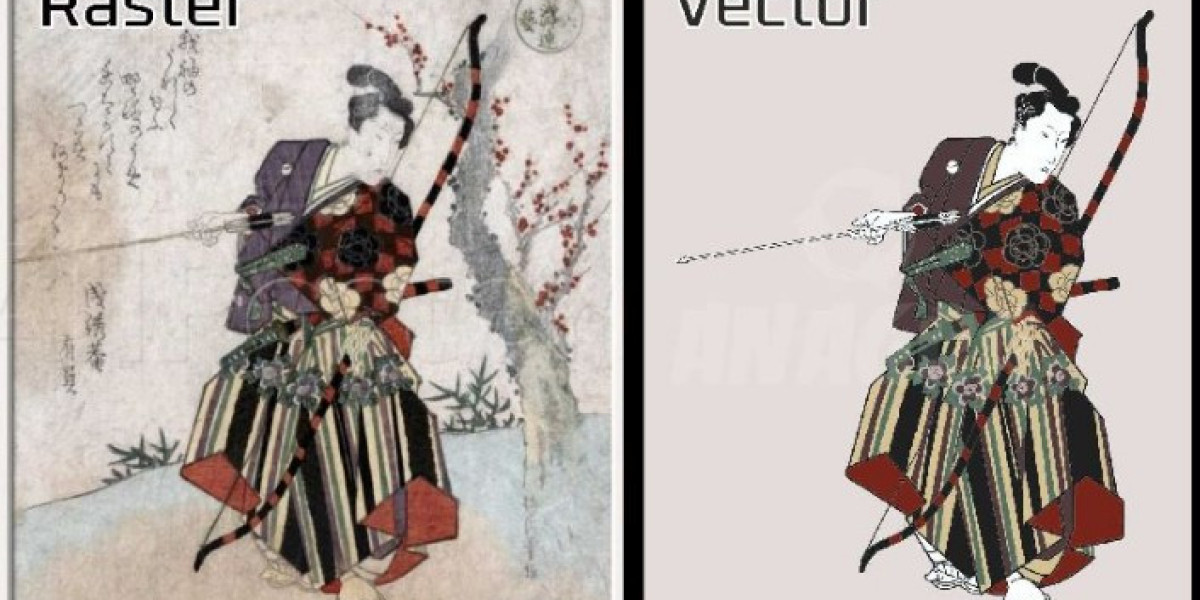
Raster images such as JPG and PNG are made from pixels. When enlarged too much, those pixels become visible and the image can look blurry.
Vector graphics work differently. They are built from paths, lines, curves, and shapes that can be scaled while maintaining clean edges.
Common vector formats include:
- AI
- EPS
- SVG
The exact format you need depends on how the artwork will be used.
Why Convert Raster Images to Vector?
Vector conversion is useful when an existing image is not suitable for professional production.
Imagine having a small logo that looks fine on a phone. Now imagine placing that same logo on a large storefront sign. If it is a raster image, the edges may become rough and pixelated.
A properly created vector version can solve this problem.
Scalable Artwork
One of the biggest advantages of vector graphics is scalability.
You can use the same artwork for a small business card and a large banner without rebuilding the design from scratch.
Cleaner Edges
Professional vector artwork uses smooth paths and curves.
This creates sharp edges that are especially important for logos, lettering, illustrations, and other graphic elements.
Easier Editing
Vector files allow individual elements to be edited more easily.
Colors, shapes, outlines, and other components can be adjusted without losing the overall quality of the design.
How Vector Art Conversion Works
A quality conversion involves more than simply pressing an automatic tracing button.
1. Review the Source Image
The process starts by examining the original artwork.
The designer looks at:
- Image resolution
- Shapes
- Colors
- Fine details
- Text
- Background elements
- Overall complexity
This helps determine the best conversion method.
2. Recreate Important Shapes
The main elements are recreated using vector paths.
Curves and edges are carefully adjusted so the new artwork accurately represents the original design.
3. Separate Colors
Colors are organized into editable vector elements.
This makes the file easier to modify and prepares it for different production requirements.
4. Clean the Artwork
Unnecessary points, rough edges, duplicate shapes, and unwanted objects can be removed.
This step is important because an automatically traced file may contain hundreds of unnecessary anchor points.
5. Review and Export
The final vector file is inspected at different sizes before being exported in the required format.
This helps ensure that the artwork is clean and ready for its intended use.
Automatic Tracing vs. Professional Vector Conversion
Many graphic programs include automatic image tracing. It can be useful for simple artwork, but it does not always create production-ready results.
Automatic tracing may produce:
- Too many anchor points
- Uneven curves
- Unwanted shapes
- Incorrect colors
- Messy overlaps
- Poorly recreated lettering
Professional vector conversion focuses on how the artwork will actually be used.
For a simple icon, automatic tracing may be enough. For a detailed logo or commercial design, manual refinement can make a significant difference.
Types of Artwork That Can Be Converted
Different types of images can benefit from vector conversion.
Logos
Logos often need to work across many sizes and platforms.
A clean vector master file can be used for websites, packaging, signage, promotional products, and print materials.
Drawings and Sketches
Hand-drawn artwork can be recreated as digital vector graphics while maintaining its original character.
This is useful for artists, designers, and businesses that want to turn sketches into usable digital assets.
Illustrations
Complex illustrations may require careful recreation of shapes, outlines, and color areas.
The final vector artwork can then be edited or resized for different applications.
Text and Typography
Text can be particularly challenging when the original file is low resolution.
Vector recreation can help produce cleaner letterforms and editable artwork, provided the original design can be accurately identified.
Vector Art for Printing
Print production often benefits from vector artwork because designs need to remain sharp at different sizes.
Vector graphics can be used for:
- Business cards
- Flyers
- Brochures
- Posters
- Packaging
- Labels
- Banners
- Promotional products
Before sending artwork to a printer, always confirm the required file format and color settings.
Vector Art for Embroidery
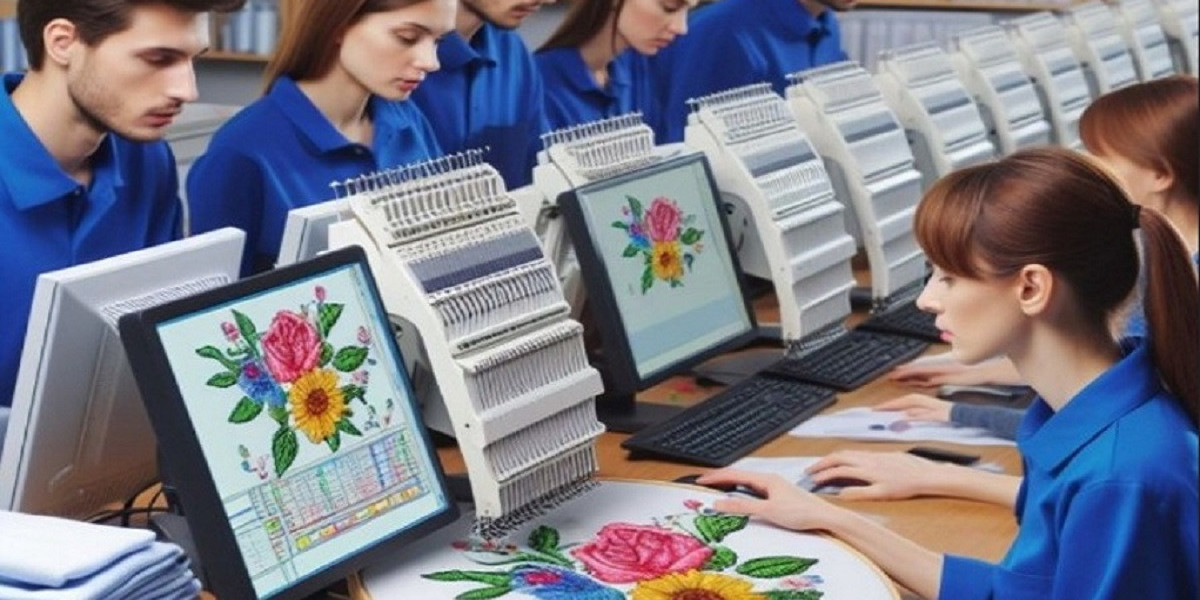
Vector artwork can also provide a useful foundation for embroidery digitizing.
An embroidery machine does not stitch vector artwork directly. The vector file must first be converted into a stitch-based embroidery format.
However, clean vector artwork can make it easier to identify:
- Design outlines
- Color areas
- Small shapes
- Lettering
- Layer relationships
This can help create a more organized digitizing workflow.
Important Qualities of Reliable Vector Art Conversion Services
Not every conversion service provides the same level of detail.
When choosing a service, look for these qualities.
Accurate Recreation
The converted artwork should closely match the original while improving its usability as a vector file.
Clean Paths
Well-constructed paths help keep curves smooth and make future editing easier.
Proper Color Separation
Colors should be organized logically rather than left as messy overlapping objects.
Editable Files
The final artwork should remain editable when the requested format supports editing.
Attention to Detail
Small features can matter, especially in logos and branded artwork.
A good conversion should preserve important design characteristics instead of producing a rough approximation.
How to Prepare Your Artwork for Conversion
You can make the conversion process easier by providing the best source file available.
If possible, provide:
- The highest-resolution image you have.
- The original logo or artwork.
- Any available brand color information.
- Your preferred vector format.
- The intended final use.
- Required dimensions.
- Any elements that should be removed or changed.
Even a low-resolution image can sometimes be converted, but a clearer source usually gives the designer more information to work with.
Common Mistakes to Avoid
Choosing the Cheapest Option Without Checking Quality
Price matters, but extremely cheap conversion may result in rough paths or poorly recreated details.
Look for evidence of actual vector quality rather than focusing only on cost.
Not Explaining the Final Use
Artwork for embroidery may require different preparation from artwork intended for a billboard.
Tell the designer how and where the file will be used.
Using an Unedited Auto-Trace
An automatically traced file may look acceptable at first glance but contain hidden problems.
Always inspect paths, shapes, colors, and anchor points before production.
Forgetting to Request an Editable File
If you expect to change colors or shapes later, make sure the delivered format supports editing.
How to Check a Vector File Before Using It
Before sending the artwork to production, perform a quick quality check.
Check the Curves
Zoom in and inspect curved edges for bumps or unnecessary points.
Check the Colors
Make sure colors match your intended design and production requirements.
Check the Text
Verify that lettering is accurate and properly aligned.
Check for Hidden Objects
Look for stray points, duplicate shapes, unwanted backgrounds, or hidden elements.
Test at Different Sizes
View the artwork both small and large.
A good vector design should maintain clean edges when scaled.
When Should You Use Professional Vector Conversion?
Professional help can be valuable when your artwork is important to your business or requires detailed recreation.
Consider professional conversion when you have:
- A low-resolution business logo
- A scanned drawing
- A detailed illustration
- Complex lettering
- Artwork with multiple colors
- Designs for large-format printing
- Artwork that needs embroidery digitizing
- A file that must remain fully editable
For occasional personal projects, basic software may be sufficient. For commercial artwork, careful manual conversion can save time and reduce production problems.
A Simple Vector Conversion Checklist
Before approving your final file, make sure:
- The artwork matches the original design.
- Curves are smooth.
- Shapes are properly closed where required.
- Colors are correct.
- There are no unwanted objects.
- Text is accurate.
- The file can be edited as expected.
- The requested vector format is included.
- The artwork works at the required size.
- The file has been reviewed for production use.
Conclusion
Reliable Vector Art Conversion Services can turn a blurry or difficult-to-use image into clean, scalable artwork suitable for professional applications.
The real value is not simply changing a JPG or PNG into another file format. Quality vector conversion involves recreating shapes, cleaning paths, organizing colors, refining details, and preparing the artwork for its intended purpose.
Whether you need a logo for large-format printing, artwork for apparel, or a clean file for embroidery digitizing, starting with well-made vector artwork gives you greater flexibility.
Choose the right conversion approach, provide clear source artwork, and always inspect the final file before sending it into production.
FAQs
What are Reliable Vector Art Conversion Services?
They are professional services that convert raster images into clean, scalable vector artwork while preserving important design details.
Which file formats are used for vector artwork?
Common vector formats include AI, EPS, SVG, and PDF. The best option depends on your software and intended use.
Can a low-resolution JPG be converted to vector?
Yes. A low-resolution JPG can often be recreated as vector artwork. However, the quality of the original image affects how accurately small details can be reproduced.
Is automatic image tracing enough for professional artwork?
Automatic tracing can work for simple designs, but complex logos and detailed artwork often require manual cleanup and refinement.
Why is vector artwork useful for embroidery?
Clean vector artwork makes shapes, colors, outlines, and lettering easier to identify before the design is converted into an embroidery stitch file.